
November 13, 2025

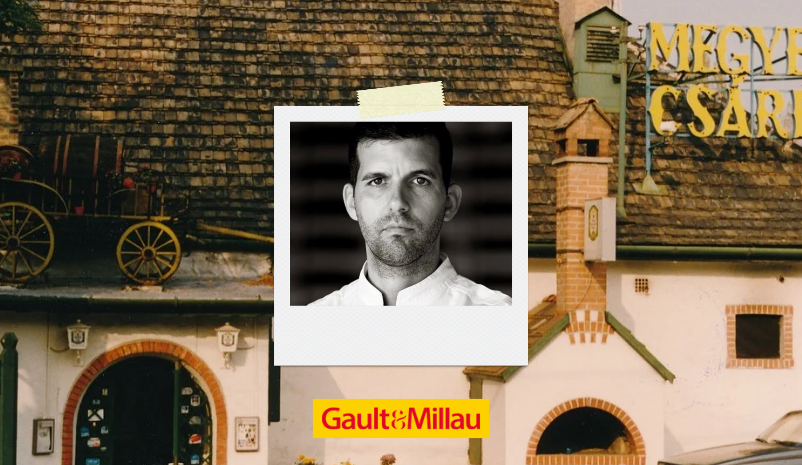
“People love pizza and want to eat it several times a week—far more often than chicken paprikash. So in that sense, it’s easier to run a pizzeria than a Hungarian restaurant,”
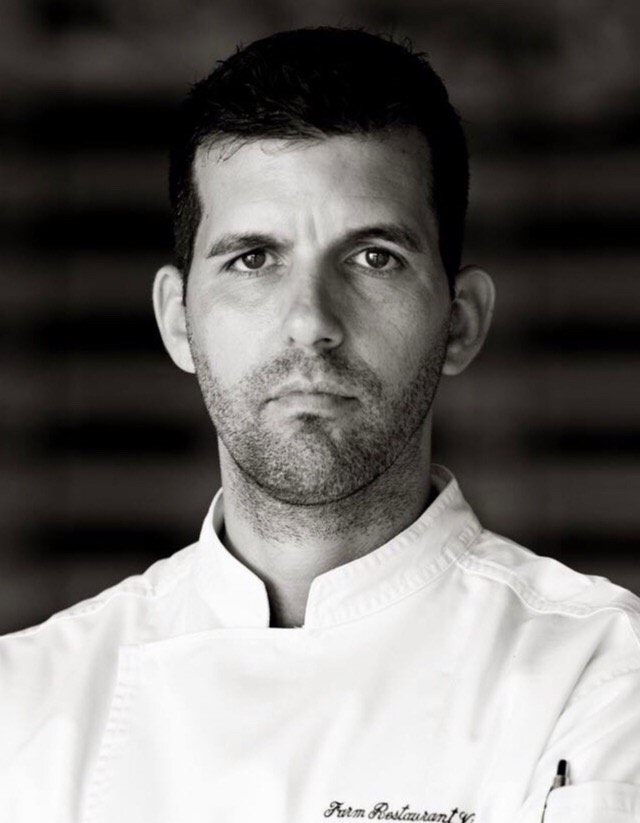
Chef Viktor Moldován spent 8.5 years in Japan heading the kitchen of the Hungarian VÍZ Restaurant, where classic dishes like stuffed peppers, sorrel soup, lecsó, and chicken paprikash were served. After Japan, he became the chef of the legendary Gundel Restaurant, guiding the nearly 130-year-old establishment. Now, after his years at Gundel, it is the fate of the 300-year-old Megyeri Csárda that captures his passion.
“I am dedicated to Hungarian cuisine and Hungarian dishes, and I believe there is a need in Hungary for hospitality in the truest sense of the word,” says Moldován when asked what appeals to him about a csárda. “And here we are talking about a 300-year-old csárda, which is the embodiment of tradition. It has the potential to become a unique, special place that preserves Hungary’s gastronomic heritage—and that could earn recognition worldwide.”
This summer, Moldován came across an article about the 300-year-old Megyeri Csárda, which was facing closure. The news caught his attention, and he wrote a Facebook post asking who might be interested in working with him to save the historic inn from disappearing. 
To his surprise, the response was far more positive and supportive than he had expected.
“I feel I must try to save a tradition with 300 years of history. Of course, many will say there is a reason it closed down—and that’s true. Looking back at its recent past, the quality of hospitality here had indeed been quite poor. But those who know me and what I am capable of know that I can revive this place. If anyone can help in any way, please do—I want to try to preserve this beautiful part of our past,” wrote Moldován on Facebook.
“I thought I’d just post and see if anyone was interested at all, if there were people willing to work with me on saving the csárda,” recalls the chef. “But many more people shared it, reacted to it, and offered information and help about the csárda than I ever imagined.”
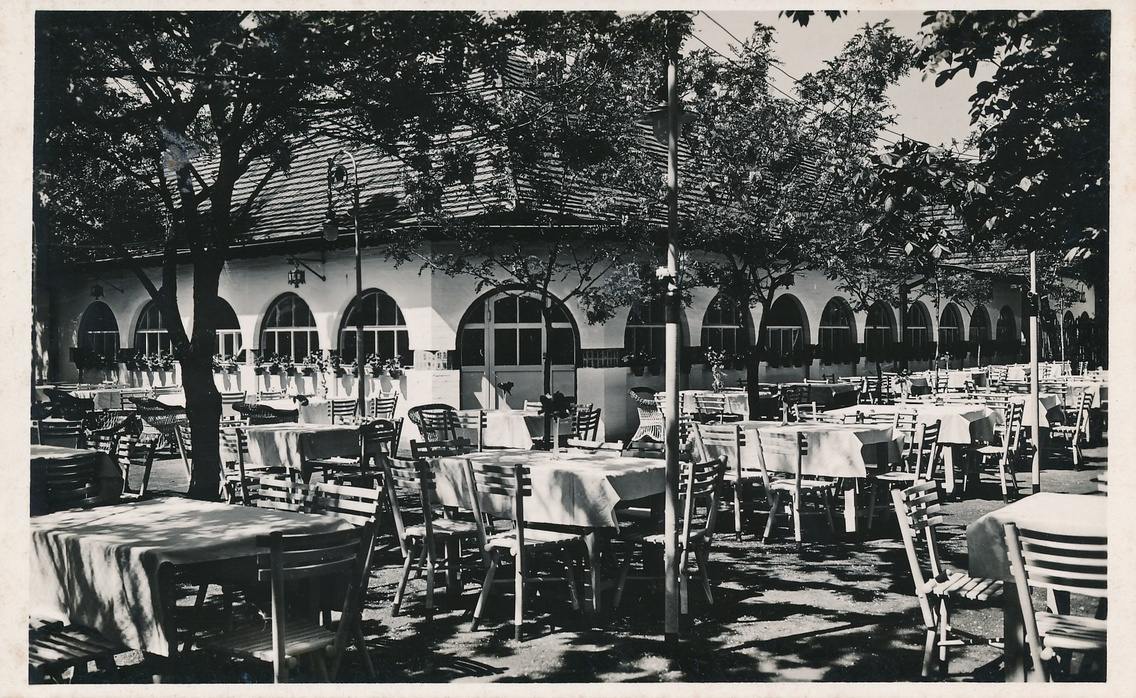
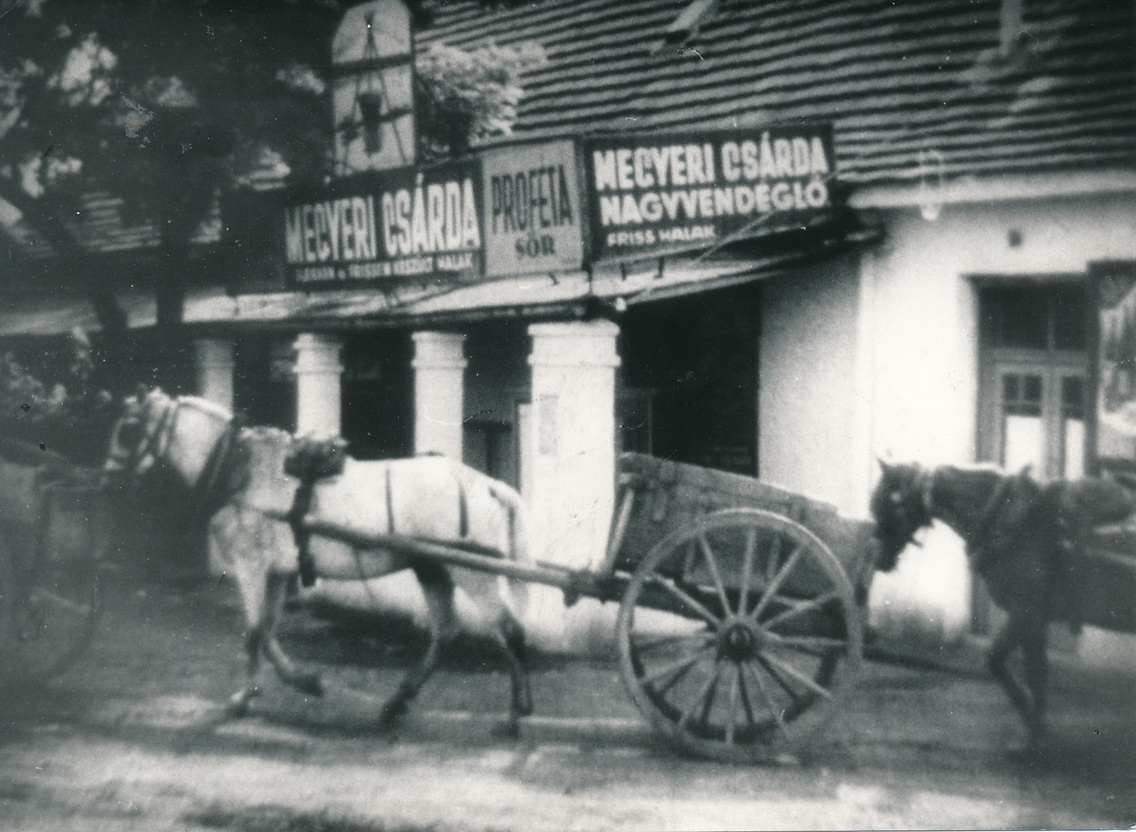
What fascinates Moldován about the Megyeri Csárda is its long history. Since the 1800s, it has been a place of hospitality that survived closures and the communist era. In earlier times, it likely played an important role along the road to Budapest—close enough for travelers to stop, refresh themselves, and continue their journey. While this function may no longer be relevant today, the traditions embedded in the csárda sparked the chef’s imagination.
“This csárda has traditions, customs, stories, and signature dishes—you just need some research to uncover the secrets behind it. We need to go back to the time when it all began: see how they served, what hospitality looked like, and what traditions we can still use today. There is centuries’ worth of experience in the history of this csárda, and it would be a shame to let it disappear. For this, we need food historians and researchers whose help could make this into a fantastic place,” says the chef, who would gladly lead the kitchen and even considers it a step forward in his career to work with a 300-year-old csárda. In his view, true success for a Hungarian chef is running a Hungarian restaurant in Hungary that people love and return to—because, as he points out, running a Hungarian restaurant well is more difficult than operating, say, a pizzeria.
“But if you can run a Hungarian restaurant profitably, popular, and well, to everyone’s satisfaction—that’s a real achievement in today’s Hungary. A csárda built on tradition could work, because what we need today is more affordable, authentic hospitality, not just another fine dining restaurant.”
According to the chef, real hospitality is what’s missing in Hungary—restaurants where guests truly feel like they are being hosted. He firmly believes that this is where efforts should be focused: relearning how to do genuine hospitality well.
“I believe in these csárda values,” Moldován adds. “Of course, this kind of hospitality needs rethinking and refreshing, but I’m convinced there is demand for it. And we can see that the number of tourists in Hungary isn’t decreasing—it’s growing, with more guest nights spent here every year. A good example is lángos: ever since it became Instagram-friendly, more and more lángos shops have opened in Budapest, which is a positive change. We could put the same kind of marketing and cuisine behind csárdas, so that both foreigners and Hungarians would love them.”
Naturally, Moldován would rework traditional recipes—but he aims to find the right balance, creating dishes that are tasteful and refined, while still respecting traditions and proportions. He believes it’s possible to strike the right harmony to satisfy almost every guest. And he speaks from experience: in Japan, at the Hungarian restaurant, he made guests fall in love with pork crackling spread and goulash soup. If he could bring this knowledge and experience to the 300-year-old Megyeri Csárda, it would be a win for everyone.
Photo credits: Neogrády László Helytörténeti Gyűjtemény, Facebook page of Viktor Moldován


